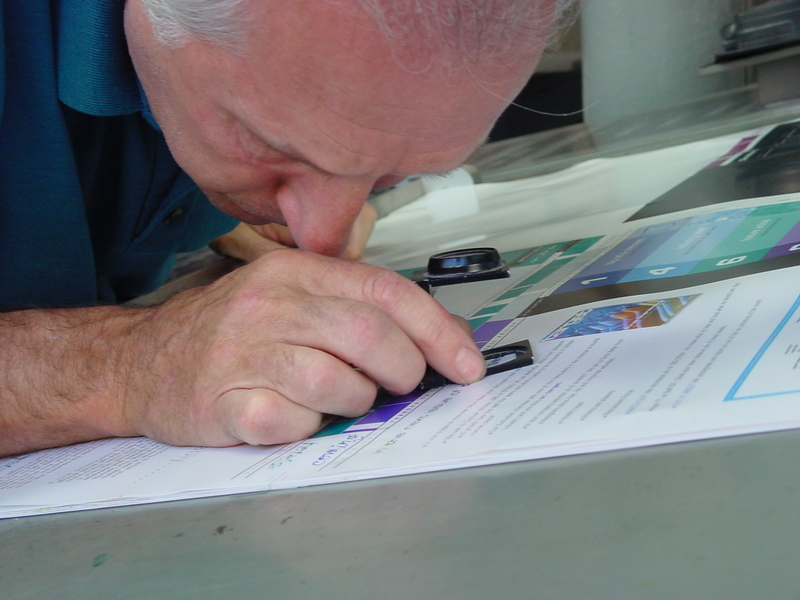
 No, I haven’t killed off my second book. My self-edits are over and the typescript has gone to a beta reader. So what did the process involve?
First of all, I check my event grid. This is my table of contents, a brief summary of events in each chapter; who says what to whom, what is discovered, what is hidden, the next problem, the bad news, action taken.
Sometimes when writing a scene in a sub-plot or sub-sub-plot, I forget if one person knows what another is up to, how long it takes to get from A to B or if someone’s had enough time to heal from a gunshot wound. It helps to prevent snowstorms in summer and eleven month pregnancies.
Next, I sit around looking enigmatic. What I’m really doing is thinking, especially about each character’s time line. Does each person’s story hang together logically? Of course, it’s the main character’s story, but each of the secondary characters needs to have a logical progression. I write my protagonist in the first person, so I play a game of writing from each of the secondaries’ point of view in the first person. It’s good fun as well!
Then I whip out the red pen and hunt out padding and fluff line-by-line. (I typed fliff instead of fluff at first and changed it back, but fliff describes it so much better). This is where I try to remember all those mini-maxims I’ve learnt over the past 18 months.
But “rules” is not always rules.
SDT (Show dont’t tell), i.e. standing in the room with the character as the action as it happens. Sometimes, to compress a load of boring stuff or time between events, telling is the most compact way, but not to describe the crisis point in the story.
LIM (Less is more), but not to the extent of making the writing cold and sterile. I test out deletions by cutting (Ctrl C) rather than deleting the word/phrase/sentence. Easy to put back if the narrative or dialogue really, really doesn’t work without the cut text.
RUE (Resist the urge to explain), also known as The reader WILL get it. This is so difficult, but readers are pretty intelligent and will get irritated if you harp on about the obvious or say the same thing twice in different words to make sure you’ve got the point across. Basic guideline – don’t do it.
Kill adverbs. Well, not every one, but check you are not overdoing them and scrutinise their function in each sentence. Delete rather, quite, very and so by default and make them earn their place back.
Star-chamber all adjectives (That expression’s mine – more on the real Star Chamber here). Unless it’s necessary to the plot, does it matter what colour a car is? You need adjectives to describe your characters, but keep them to an absolute minimum. Readers like to imagine the details themselves.
Replace felt, was, had, thought, wonder and suddenly where you can, but don’t have hysterics if you need to use them in their proper place.
Use strong verbs: trudge, stride, shuffle, totter, march, saunter instead of walk.
And lastly, get the throat sweets ready, clear your schedule and read the whole blessed thing aloud in one go.
I love this stage where I can bring dull bits to life, extend tension to an unbearable point, cut the crap and polish each word to ultimate beauty.
How do you see edits?
If you enjoyed this post, do share it with your friends!
Like this:
Like Loading...


 Several people have commented on the new look of this blog (which is lovely of them) and asked me about the background.
 , especially the postal service, but first and foremost to provide a cross-continental system for the rapid movement of troops. But trade followed and many Roman roads were used into the medieval period which explains the well-worn chariot (or more likely the more mundane cart) tracks.

 Write 300-500 words about your favourite filofax memory and you could win a brand new oganiser. Now enjoying a strong revival, filofax is regaining the worldwide popularity seen in the 1980s.