Pinocchio
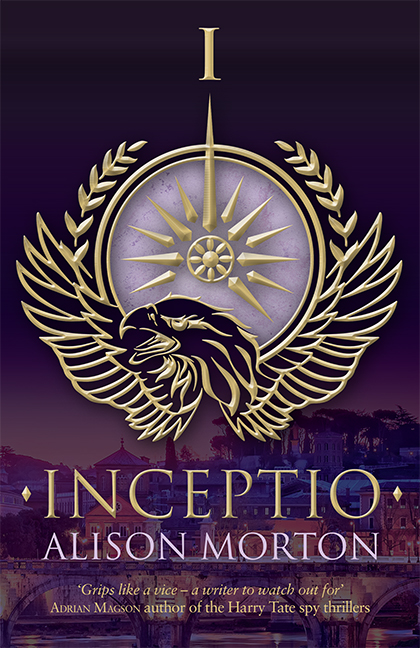
Now I’ve started telling people about my first alternate history thriller coming out in March, one person said, ‘Oh, you’re lucky, you can make up anything!‘
Er, no.
It’s about plausibility. Merriam Webster gives one definition: ‘appearing worthy of belief <the argument was both powerful and plausible>‘. Synonyms include credible, creditable, likely, believable, presumptive, probable.
So how far can a storyteller stray? To enjoy a story, we need to feel that the author’s world is – within its own logic – plausible. We know that too many coincidences are not a good thing in fiction, however frequently they actually occur in real life.
Ideally, a writer builds up a sequence of events that not only follows a plausible path but which we the readers believe could not possibly develop in any other way. And if there are two equally plausible choices at critical points, thus preventing us from guessing what’s going to happen next or at the end, the story will not disappoint by being predictable.
And for a story, however fantastical, to be plausible it must be grounded in the reader’s world. If Boudicca (Boadicea in old money) met Buffy the vampire slayer, we know they were both women fighters who defied enemies threatening the existence of their worlds, had both lost a deeply significant other and passionately loved their families. Okay, one was a tad dim…
But defiance, loss and love are things we all know about. Within a story, we have to detect aspects of our own world otherwise we won’t understand, let alone engage with the story. In short, plausibility in fiction is the detection of familiarity.
How can writers give their stories plausibility even if the plots or characters are very weird?
1. Tell whoppers confidently.
Almost every story hinges upon an implausibility – it’s a set-up, a problem the writer has purposefully created. Many TV crime stories feature a superintendent or chief inspector interviewing suspects and knocking on doors in the crime area.
Ridiculous.
Such hands-on work is carried on by the experts on the ground – the constables and sergeants.
But we all accept it.
How often is a film carried by a formerly dismissed maverick scientist, often a reformed drunk or grief bound widower, coming back and saving the day?
Ridiculous.
The refresher courses and retraining would take weeks and months and security clearance forever.
But we all accept it.
Why? Because once we have swallowed the confident lie, we’ll follow the rest of the story as long as the writer keeps our trust. One way to do this is to infuse, but not flood, the story with corroborative detail so that it verifies and reinforces the original whopper.
Even though my book is set in the 21st century, the Roman characters say things like ‘I wouldn’t be in your sandals (not shoes) when he finds out.’ And there are honey-coated biscuits (honey was big with the ancient Romans) not chocolate digestives in the squad room.
2. Give your characters normal behaviour.
Human beings of all ages and cultures have similar emotional needs, hurts and joys. Of course, they’re expressed differently, sometimes in an alienating or (to us) peculiar way. But a romantic relationship, whether as painful as in The Remains of the Day or as instant as Colonel Brandon when he sees Marianne in Sense and Sensibility or careful but intense relationship of Eve Dallas and Roarke in the Death series binds us into their stories.
3. Tie up loose ends.
This is especially important in stories not obviously part of the standard world, whatever that is. In fact, no writer should leave possible loopholes or gaps for us to wander into, whatever the setting. When drafting, I mark my script with words in blue font in square brackets such as [does this character need to do this here?], [what happened to the doctor?]. I know my fellow readers will want to know.
That doesn’t mean every character needs to have their life story told but writers should try not to leave any obvious dangling bits, or non sequiturs, if you prefer.
4. No alien space bats
One use of a dangling character, i.e. who made a brief appearance to get the hero/heroine stuck into the plot and hasn’t appeared since, is to use them as a catalyst at a crucial point in the story. This way you avoid the cop-out known in the speculative fiction world as an ‘alien space bat‘ or more classically as a ‘deus ex machina‘. Nobody likes the ‘she woke up and found it had all been a dream’ ending. Or even less ‘it was only a trip in virtual reality’.
And if you do need to use a character with strange gifts or knowledge, a few lines of background carefully woven in will smooth their introduction. If a writer can make those absurdities or missing links appear rational, we will be believe every word in the story and go on to buy the next book in the series.
If you enjoyed this post, do share it with your friends!


 And here are a few of the books in the cupboard to the left of my desk.