The most frequent question readers have asked me since the launch of INCEPTIO in March has been: how did you work out the characters?
Karen/Carina has been buzzing around in my head for a while – about fifteen years. So in the end it was a choice between seeing a psychiatrist or becoming a writer!
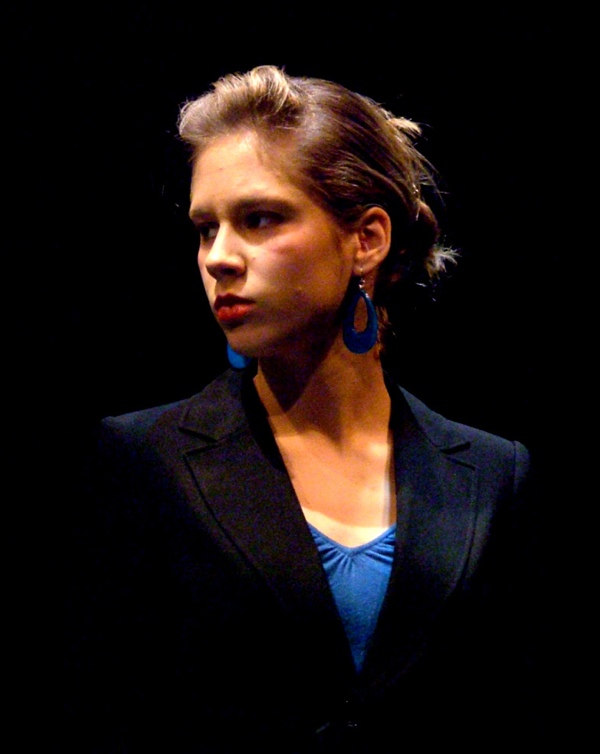
Could this be a version of Karen?
Is it all about looks?
People have asked me what the characters look like. I think that’s for the reader to decide; reading is a two-way experience and my idea of what they look like could be miles away from somebody else’s.
Fiction writers often use a photo in a magazine, an actor, a painting or somebody on television to keep the character as a human being, and avoid developing a distorted cartoon or cardboard construct.
I give a few details of each person when they first appear on the pages, so that you know whether they are tall/short, young/old, what their hair and eye colour and build are. After that, you’re on your own! That’s the joy of reading a book – you can create your own world.
Knowing your character
I wrote a sketch of Karen as she was at the beginning of INCEPTIO: her basic life conditions, background, work, friends, hobbies, character traits and general attitude to life. I learned this technique at an Arvon Foundation course for commercial fiction writers and it’s stood me in good stead ever since. I added a few notes as I progressed with her story.
So, who is Karen?
 She works in a ‘run of the mill’ office job, she left education after high school and doesn’t earn quite enough money to cover her bills. She’s outdoorsy – she jogs and goes to the gym. She remembers her rural childhood in leafy New Hampshire with longing and lives for the weekends working as a volunteer in the park. We know she stands up for other people – the injured man in the park, her cousin in Nebraska. Like anybody else would be, she’s frightened when Renschman and his people threaten her. But then she gets angry.

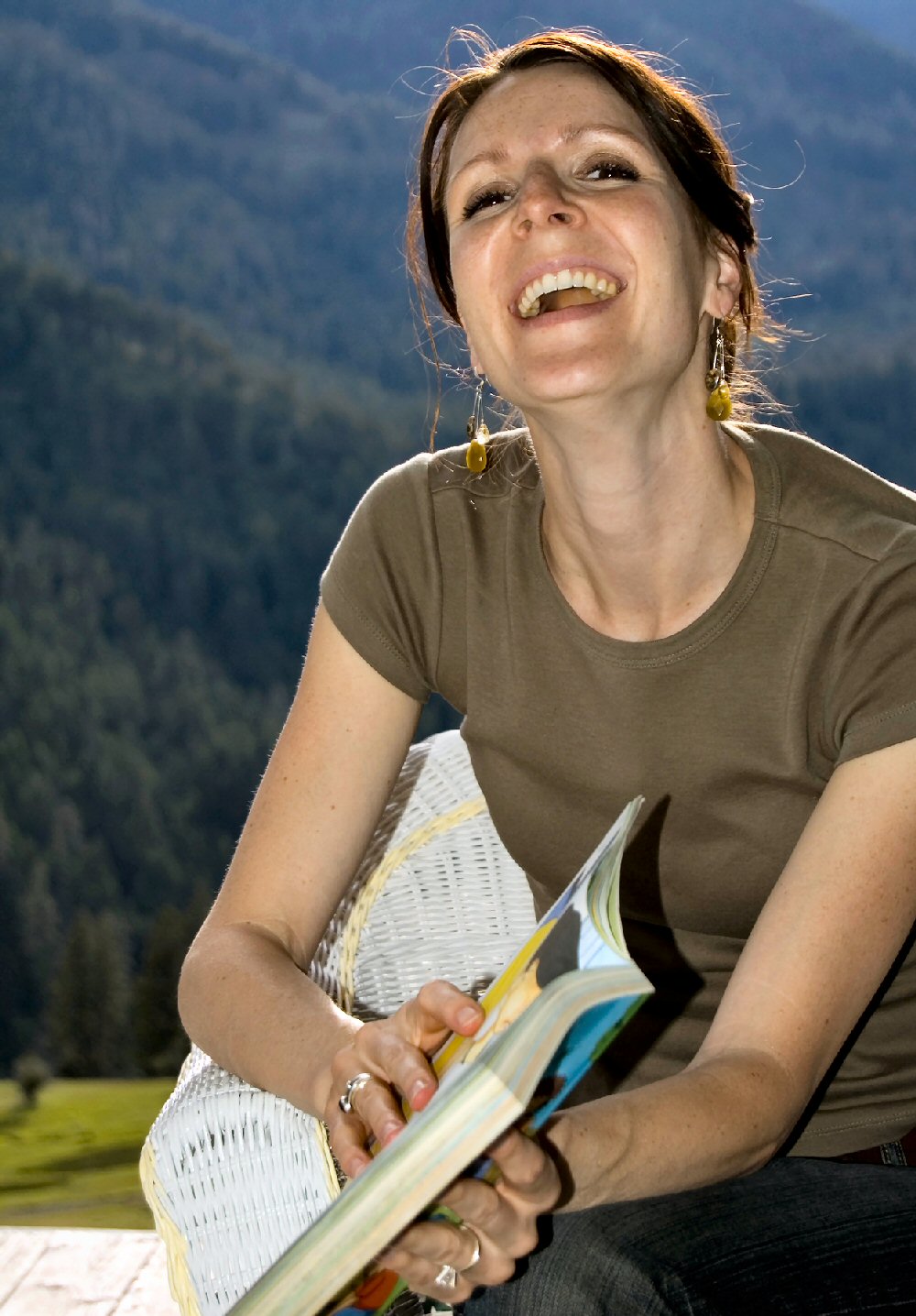
Or is this Karen?
Her temper and defensiveness make her human. We see in INCEPTIO that although she gets on with other people – Amanda at work, Chip and the park staff – she senses she’s still on the outside in some indefinable way. She’s uncomfortable in the Washington legation because people defer to her, but she “gathers up her grit” as her father used to say and manages to face down the über-superior Favonius.
And, no, I don’t have a clue why I made her an American, rather than British. That’s how she came alive in my head. Perhaps it’s because of the Old World/New World clash, a vague idea that Americans have a more adventures in popular culture, perhaps her rose-tinted view of life in America versus the reality of a more structured life in Roma Nova.
 Moving and shaking
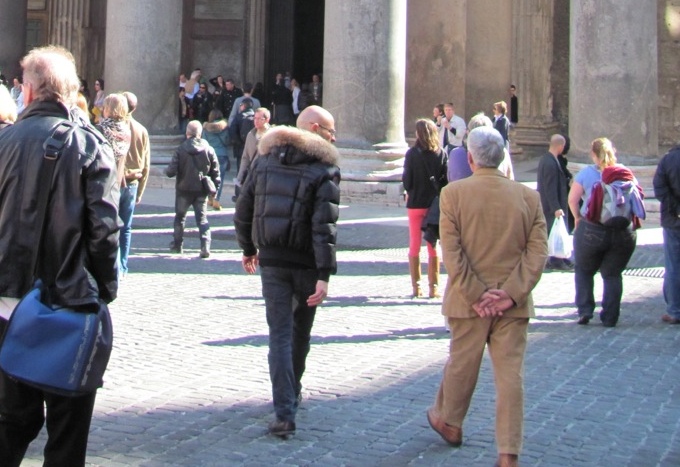
Writers look at the way their characters move, if they stride, walk gracefully, lumber, glide almost silently, or march. In historical fiction, the different shaped clothes, stiff fabrics, shoes, boots, hats, swords and gloves often dictate different ways of moving, sometimes easier, sometimes more constraining.
 In Roman fiction, wearing a simple tunic is easier than a heavy toga! Position in life, occupation, age and gender also affect whether the character walks confidently, swaggers or trudges along with head bowed as well as what a character is thinking or feeling at the time.
Perhaps some characters use their hands a lot when talking? Or do they hold themselves in, crossing their arms. Do they have a distinct way of speaking as Apollodorus does in INCEPTIO with his old fashioned elaborate speech habits? Staccato, or nonchalant, taking everything in their stride? These habits leak out into their actions but also influence them and so we learn more about the characters.
But of course, more than their appearance, it’s the characters’ behaviour, motivation and actions that make them real people rather than stereotypes. This comes out in their interactions and dialogue, but that’s another whole post…
Alison Morton is the author of Roma Nova thrillers, INCEPTIO, and PERFIDITAS. Third in series, SUCCESSIO, is out early summer 2014.