 Wikipedia defines women’s history as follows, ‘Women’s history is the study of the role that women have played in history, together with the methods needed to study women. It includes the study of the history of the growth of woman’s rights throughout recorded history, the examination of individual women of historical significance, and the effect that historical events have had on women. Inherent in the study of women’s history is the belief that more traditional recordings of history have minimized or ignored the contributions of women and the effect that historical events had on women as a whole; in this respect, woman’s history is often a form of historical revisionism, seeking to challenge or expand the traditional historical consensus.’
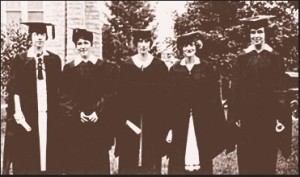 Hm. Maybe I haven’t drunk enough coffee this morning, and there’s a lot to unpick in those sentences, but I read it as if a favour is being granted; “Let’s allow the girls to have a whole section of history to themselves. They’ll be able to go off and write serious stuff that other girls will love and it will keep them out of our mainstream hair.”
When I was younger and questioning the under-representation of women and the male dominance of history, heroines such as Joan of Arc, Elizabeth I and Florence Nightingale were quoted at me as strong, exceptional, female models.
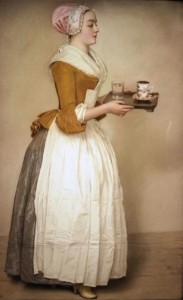 Exceptional.
Exactly.
The unremarked lives of other women, duchesses to beggars, who made up fifty per cent of the population, were peripheral and hidden in traditional women’s auxiliary roles as wives, mothers, sisters, servants.
Both historical accounting and public awareness of history are moving on; it would be harsh to say otherwise. In the media we have the splendid Mary Beard, Bettany Hughes, Lucy Worsley and Lucinda Hawksley leading us into grand sweeps and minute details of places and lives of both women and men. But even with women talking about life and death in Rome, Socrates in Athens or Kensington Palace and British crime, are we much further on?
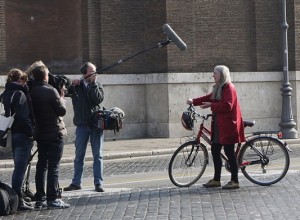 You may remember the recent virtual attacks on Professor Beard for not confirming to female norms in respect of appearance and behaviour? Her clever and often witty insights into past lives and her wealth of knowledge were ignored in torrents of spite about her hair, clothes and teeth and the fact she had spoken out at all. Vicious and rather sad.
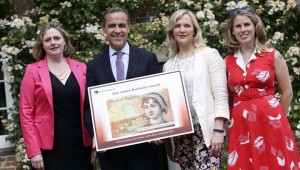
Caroline Criado-Perez (right) was told to ‘shut up’ and threatened with rape when she campaigned for at least one female historical figure to be portrayed on UK bank notes as Elizabeth Fry was to be dropped from the £5 note. Happily, Jane Austen will appear on the £10 note from 2017 but even in the 21st century, it’s depressing to see that in some quarters traditional male attitudes to female speakers and active participants in life are still welded to ancient roots.
In brief, there are two strands here: the historical account itself and dissemination of that account. Perhaps this is where ‘good’ historical fiction comes in, ‘good’ meaning meticulously researched and well written: no fictional spouses; no anachronistic food or clothes; no characters saying ‘great’ or ‘no way’ in response to a suggestion in the seventeenth century; muskets and spathae in their correct wars.
 Works of fiction are by their nature made up, or fictionalised versions of known stories. Historical fiction in the hands of a competent writer can fill out the known account and suggest logical developments even when there are very few substantiated facts. Sarah Johnson from the Historical Novel Society produced some thoughtful guidelines to what historical fiction is, and can do. Although written in 2002, they still provide a helpful definition.
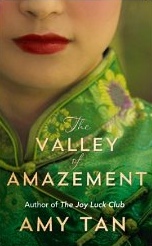
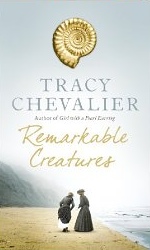 Historical novels are an increasingly popular genre with readers, and more women’s stories set in the past are being portrayed by, for instance, Philippa Gregory, Diana Gabaldon, Amy Tan and Tracy Chevalier. Making women as present as men in historical events and stories should be the norm.
 While it isn’t possible for every female historical protagonist to be a kick-ass heroine like Buffy the Vampire Slayer, writers are bringing forward more positive and active representations of women as courageous, decision-making and resilient. And stories of known events, but from a female point of view, are filling the real and virtual bookshelves.
Whether this message seeps through into public consciousness and helps change attitudes may take a little longer.
Updated January 2017:
Alison Morton is the author of Roma Nova thrillers INCEPTIO, PERFIDITAS, SUCCESSIO, AURELIA and INSURRECTIO. The sixth, RETALIO, will be published in Spring 2017. Audiobooks now available for the first four of the series
Get INCEPTIO, the series starter, for FREE when you sign up to Alison’s free monthly email newsletter. You’ll also be first to know about Roma Nova news and book progress before everybody else, and take part in giveaways.